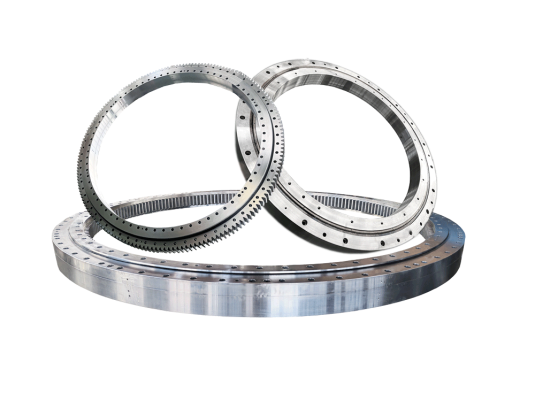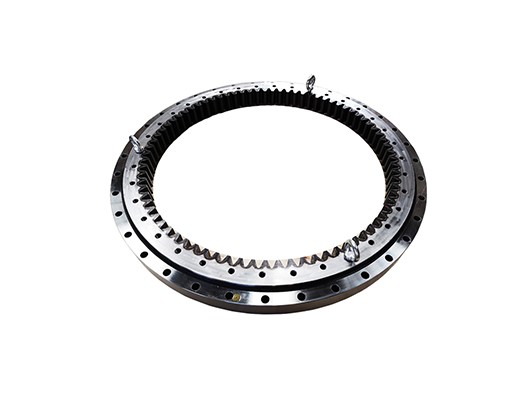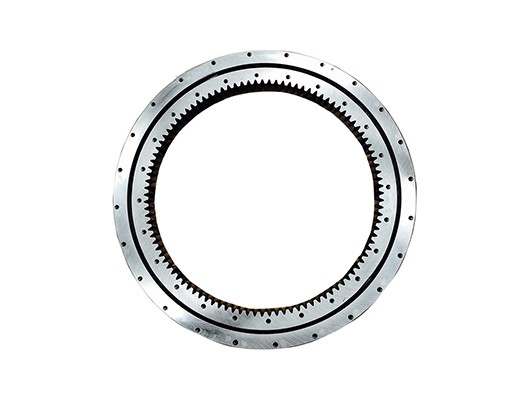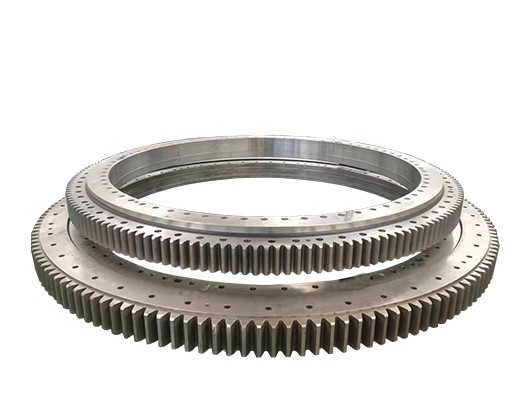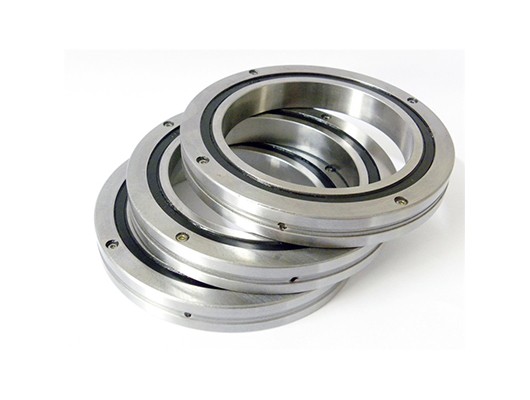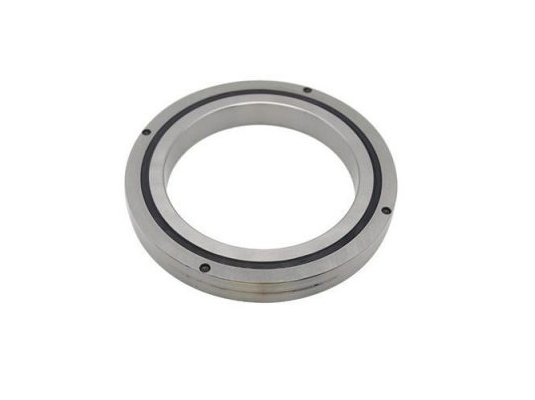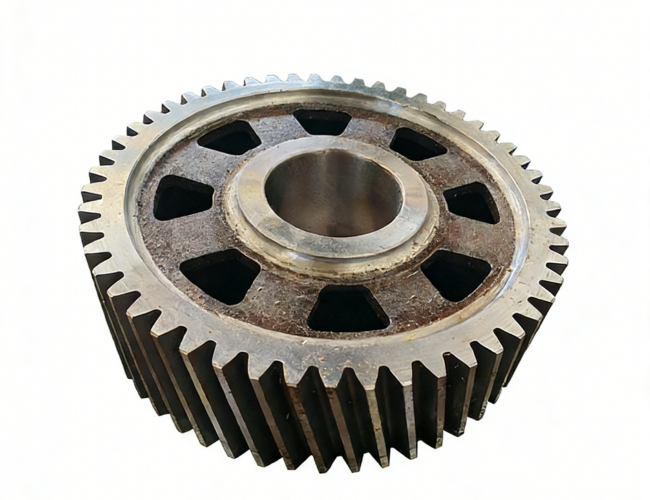
Every heavy-duty mining site relies on sturdy, precision-machined components to maintain stable output. As a vital transmission core part, the mining equipment ring gear supports the operation of all rotary mining machinery. It withstands extreme torque, continuous impact and harsh mine environments, keeping ball mills, mining excavators, rotary kilns and mineral crushers running steadily.
Most unplanned mining downtime is caused by worn ring gears, incorrect installation and careless daily maintenance. Most site teams only replace broken parts after failures, yet regular maintenance and reasonable gear upgrades can slash repair costs and extend component lifespan by over 30%. This hands-on guide shares practical insights for anyone sourcing or maintaining mining ring gear parts.
A professional mining equipment ring gear is a large-diameter toothed component tailored for high-abrasion, heavy-load mining conditions. Made of high-grade alloy steel via integral forging and professional heat treatment, it outperforms standard industrial gears in impact resistance, wear resistance and corrosion resistance, perfectly adapting to dusty and humid mine working scenarios.
It powers all mainstream mining rotary equipment, with key applications as follows:
Mining ball mills: The core driving component of ore grinding systems. This ball mill ring gear drives cylinder rotation and bears long-term abrasive wear, serving as the most vulnerable key part in mineral processing lines.
Mining excavators: The swing mining excavator ring gear enables 360° rotary movement of the upper equipment, enduring frequent start-stop impacts and variable heavy loads during excavation operations.
A faulty ring gear will directly halt the entire production line. Its durability and stability are critical to mining operational efficiency and profitability.
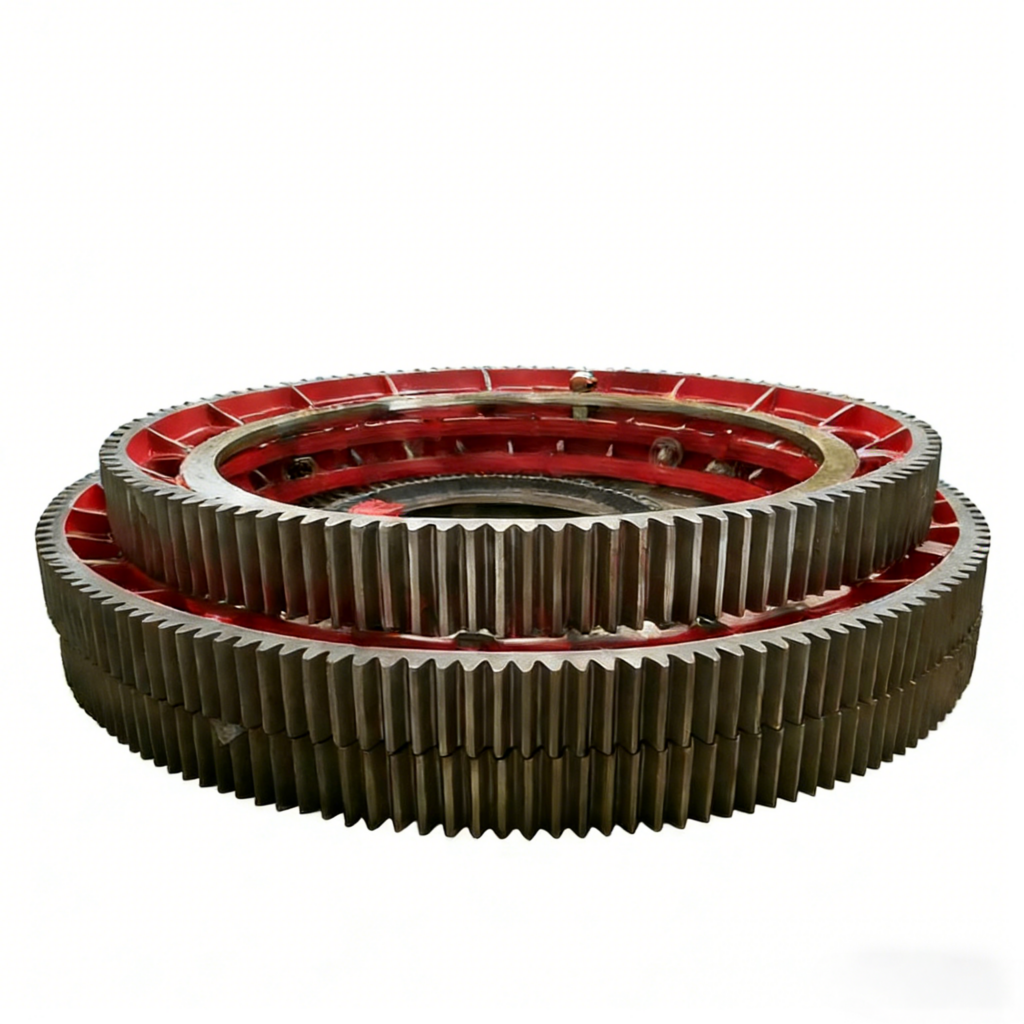
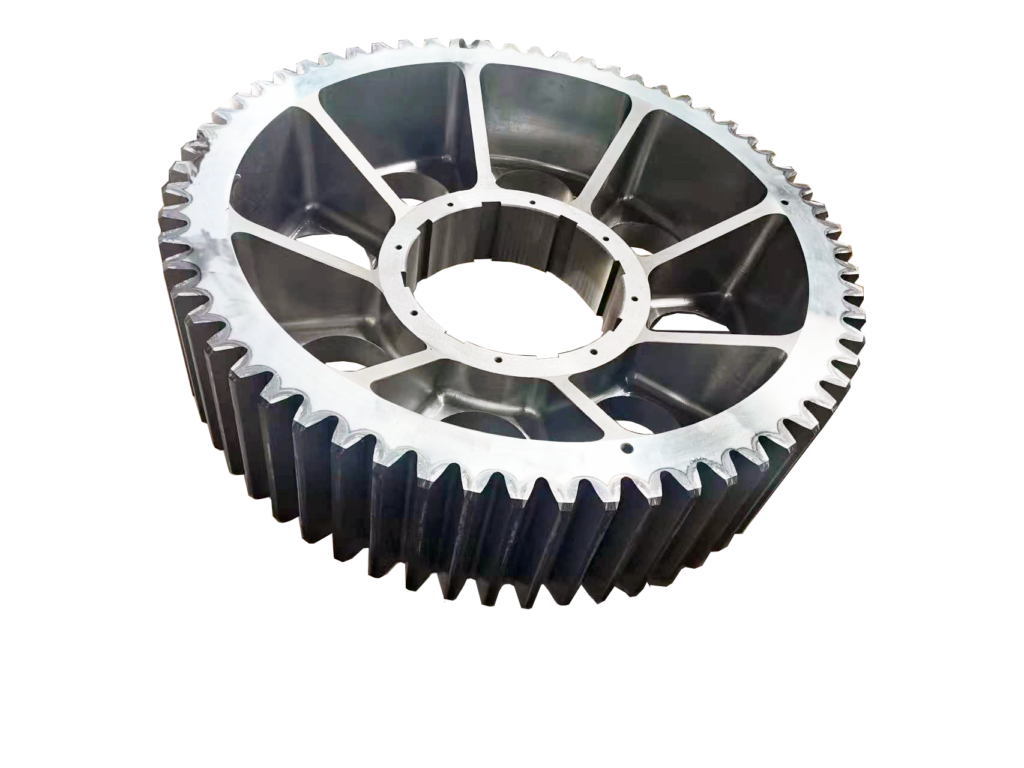
After years of field service and customer cooperation, we’ve confirmed that most ring gear malfunctions on mining sites stem from improper operation and poor maintenance, rather than manufacturing defects. Below are the six most common failures and their practical root causes.
Tooth pitting and surface spalling are the most common faults for in-use ring gears. Long-term heavy load operation creates tiny fatigue pits on gear teeth, which gradually expand and peel off. Contaminated lubricants, sustained equipment overload and insufficient meshing contact are the main triggers that accelerate surface damage.
Continuous high-intensity production easily causes gear scuffing and thermal wear. Insufficient lubrication, unqualified lubricant products or blocked grease nozzles lead to direct metal friction between meshing teeth, generating high temperature and scratching tooth surfaces. This problem is more prominent in summer high-temperature mining operations.
Repeated start-stop operation and alternating heavy loads produce micro cracks at gear roots. These tiny cracks expand rapidly without timely inspection and repair, eventually causing local tooth fracture. Underground mines and high-impact mining operations are most prone to this fault.
Deviated installation, loose fixing bolts and long-term mechanical vibration will cause gear meshing misalignment. Uneven tooth contact leads to unilateral overwear, abnormal operating noise, and even gear breakage in severe cases. Regular vibration detection can effectively eliminate this hidden danger.
Open-air mining and humid underground environments bring constant dust erosion and moisture corrosion. Accumulated mineral dust forms abrasive particles that wear gear teeth, while humid air corrodes metal surfaces, reducing gear precision and shortening service life.
Some mining projects choose low-cost non-standard ring gears to save upfront costs. However, inferior materials and rough processing cannot adapt to mining heavy loads, resulting in rapid aging and premature failure, which brings more expensive downtime and replacement costs.
Based on real mine operation experience and industry standards, we’ve sorted out a simple, low-cost maintenance plan for wear resistant mining ring gear, helping you avoid unplanned production shutdowns.
Site operators need to monitor equipment operation daily for abnormal vibration and friction noise. Clean ore dust and residues on gear teeth regularly, and check the lubrication system for oil leakage. Timely discovery of minor anomalies can prevent most sudden gear failures.
For underground and high-load continuous mining operations, conduct a weekly visual inspection. Check gear teeth for pitting, scratches and burrs, and fasten all fixing bolts to prevent meshing looseness caused by long-term equipment vibration.
Arrange professional quarterly inspections, including gear contact pattern tests to ensure over 70% effective contact area. Match with vibration analysis and oil quality detection to judge gear wear status, and adjust meshing clearance in a timely manner.
Complete a full gear system overhaul and lubricant replacement every year. Select high-viscosity anti-wear lubricants specially designed for mining heavy loads to replace traditional hard-to-maintain grease, reducing gear wear and daily maintenance workload.
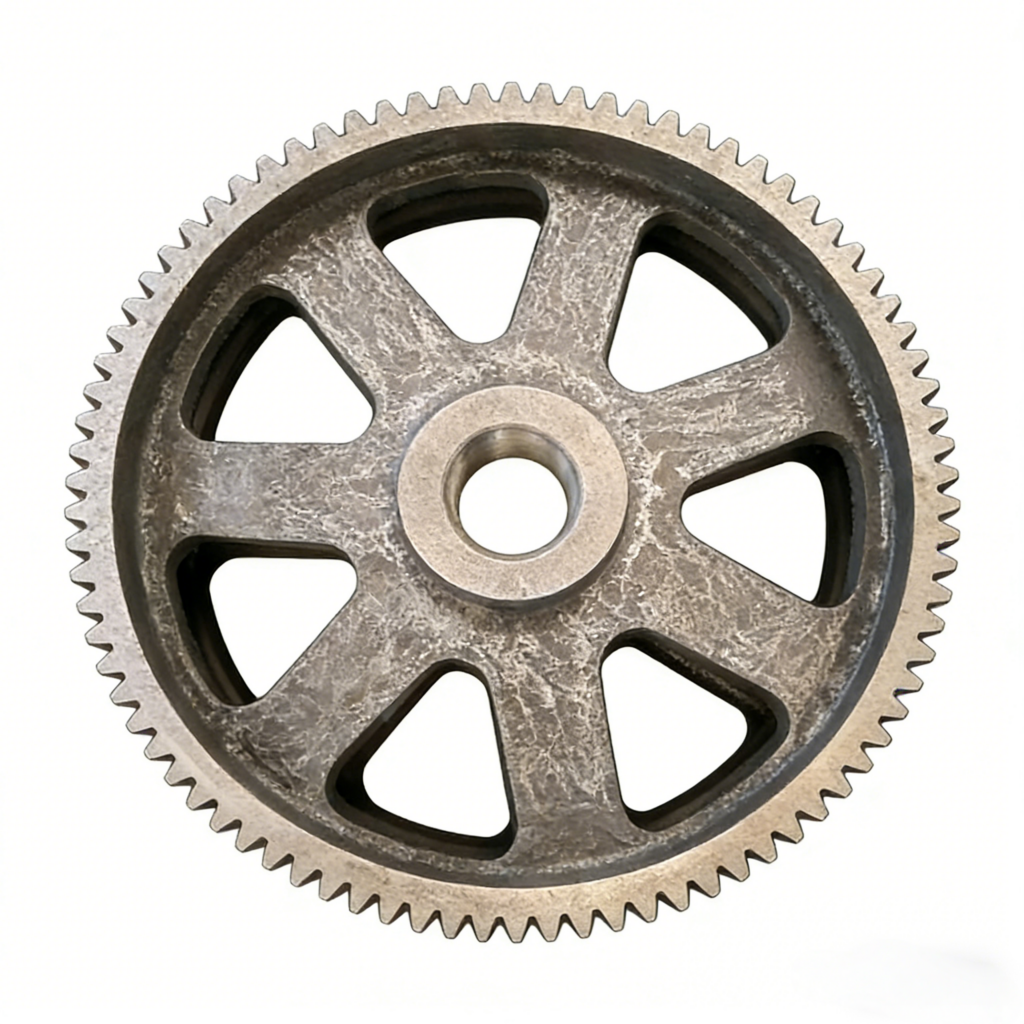
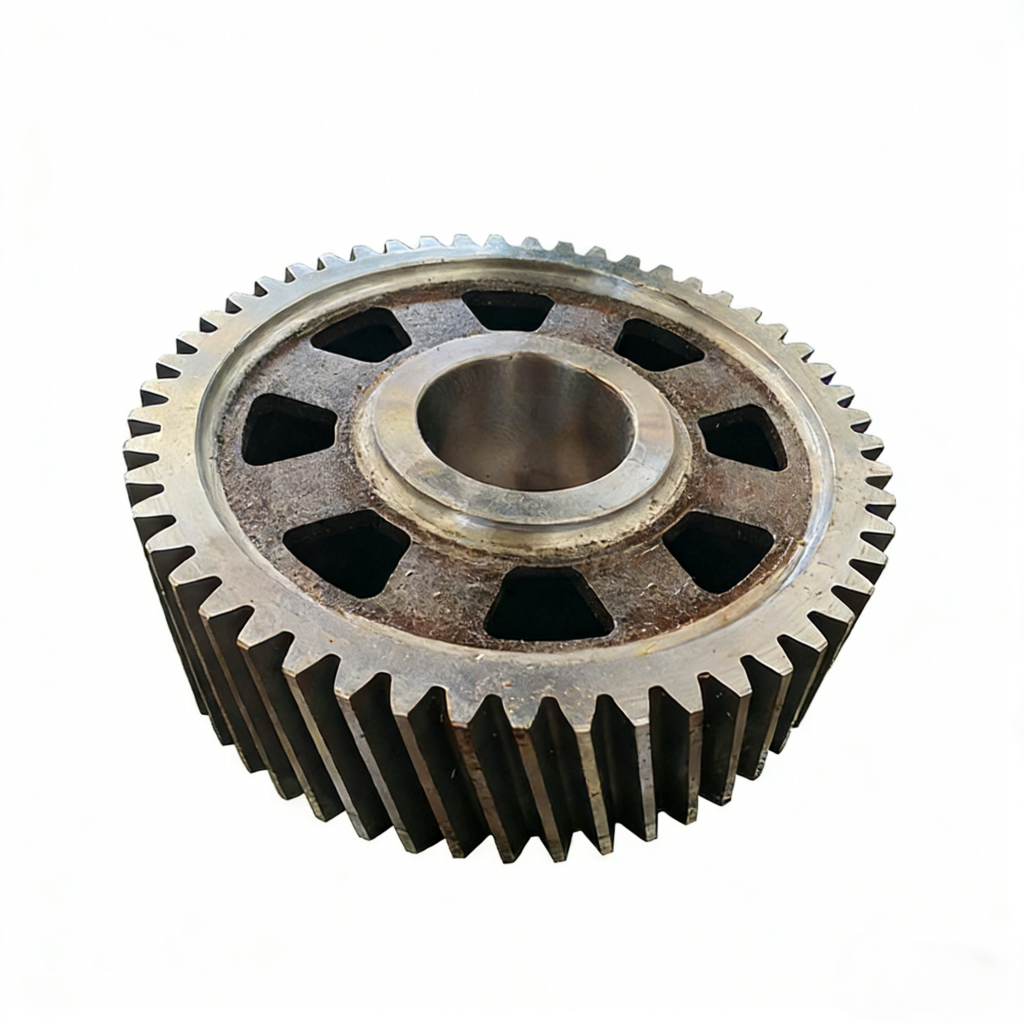
Selecting a high-quality mining equipment ring gear is the core of reducing long-term mining operation costs. Reliable ring gears suitable for extreme mine environments must meet three key standards:
Premium ring gears adopt one-piece alloy steel forging, with integral heat treatment and tooth surface quenching. This mature manufacturing process ensures high overall hardness, strong impact resistance and excellent wear resistance, effectively avoiding rapid wear and fatigue fracture under long-term heavy loads.
Precision CNC tooth machining ensures uniform gear meshing, effectively reducing friction and operational vibration while improving transmission efficiency. Strict dimensional tolerance control avoids meshing deviation caused by installation errors, guaranteeing long-term stable equipment operation.
Mining equipment models and working conditions vary from project to project. Professional manufacturers provide custom mining ring gear services, adjusting gear diameter, modulus and tooth processing techniques according to actual equipment parameters and load demands to achieve perfect matching.
A large number of mining enterprises still use ordinary low-performance gears, leading to frequent shutdown maintenance and high comprehensive operating costs. Upgrading to professional heavy duty mining ring gear can bring obvious practical benefits:
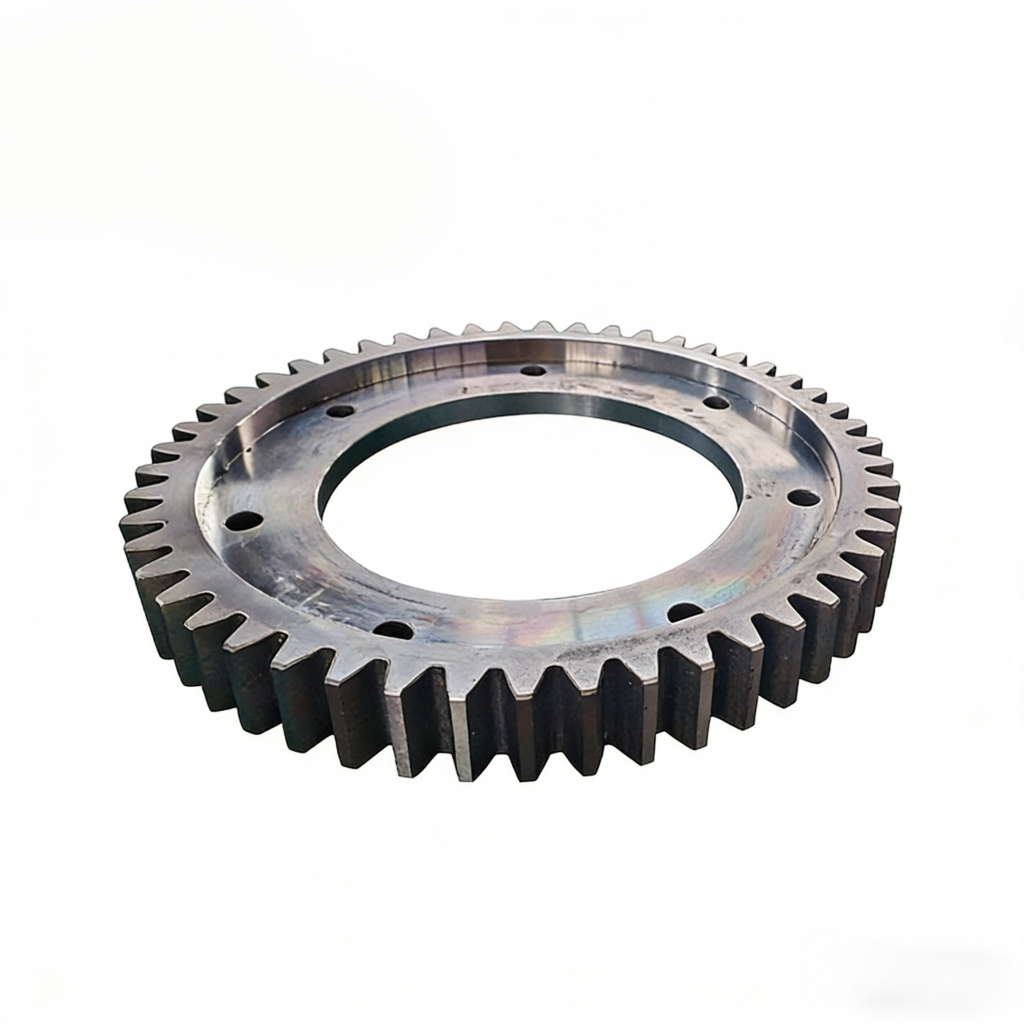
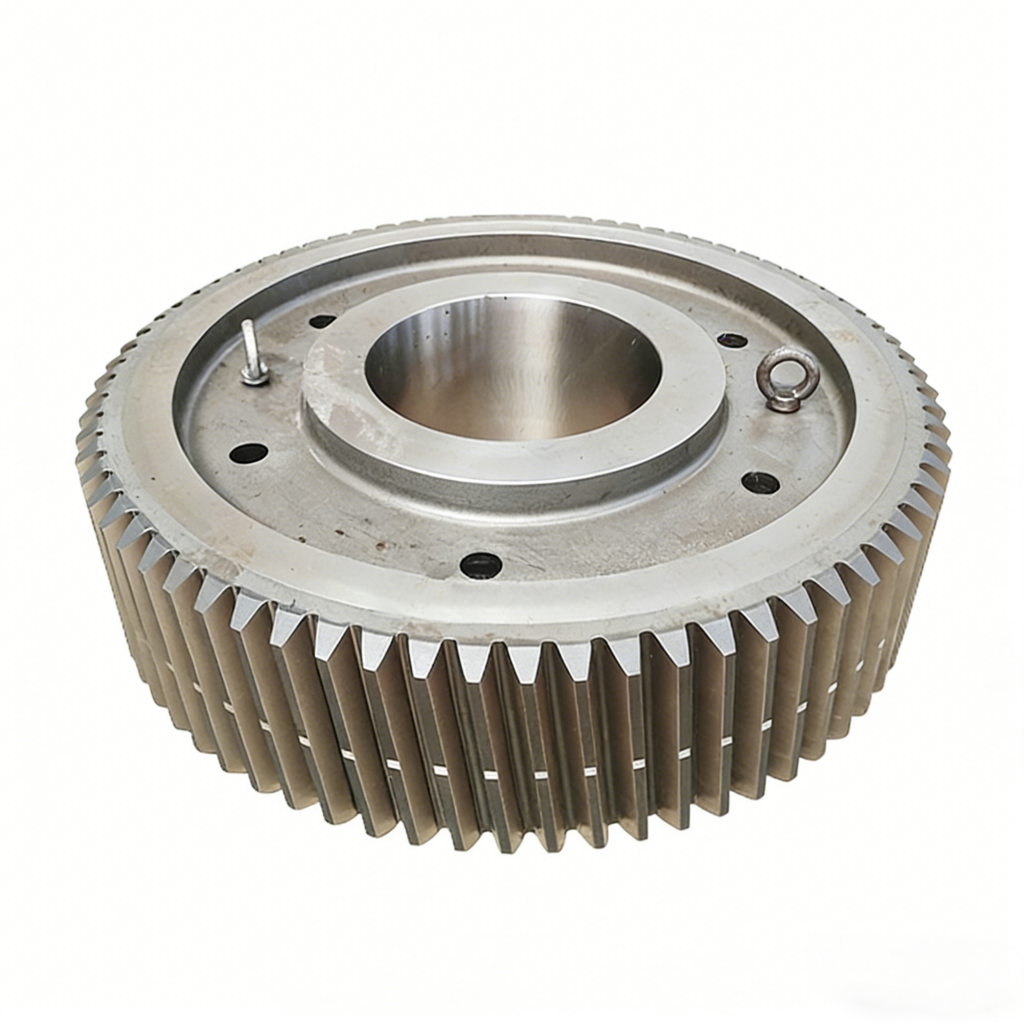
The ring gear is a small but decisive core component in mining production. Choosing high-quality products and adhering to scientific maintenance habits is the most cost-effective way to reduce mining downtime and operating costs. Active maintenance and gear upgrades always create more value than passive emergency replacement.
If you need high-stability, wear-resistant and custom mining ring gears for ball mills, excavators and other mining equipment, feel free to contact our team. We provide personalized customization, precision processing and full-cycle after-sales technical support for global mining partners.
Luoyang Hengchang Heavy Machinery Co., Ltd. is an entity manufacturer of slewing bearings and customized non-standard machining parts. Our company integrates professional design, research and development, manufacturing, sales and service. Relying on the strong manufacturing capacity and research and development capacity, we can provide customers with one-to-one customized services and solutions.
If you have any inqury or questions for our products, please feel to contact us.
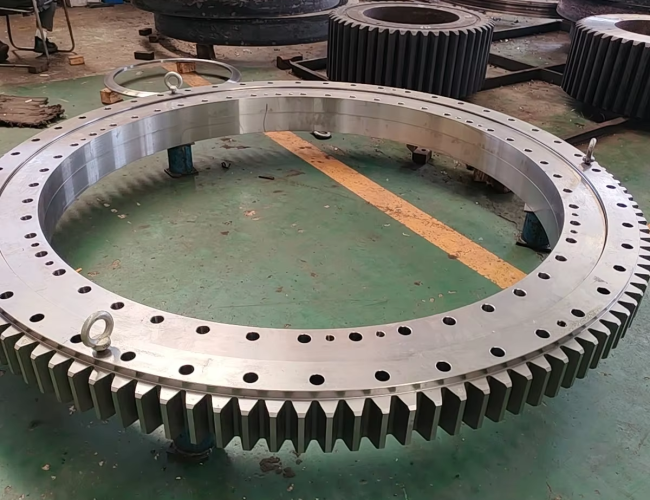
Stacker reclaimer is a large-scale bulk material conveying equipment widely used in ports, electric power, coal, metallurgy and other industries.
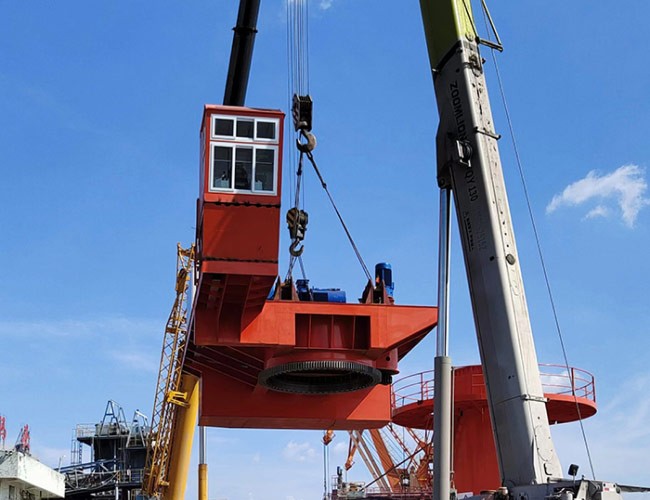
After a tense and orderly 40-day production cycle, our company successfully delivered this product to the user’s site;
This crane slewing bearing needs to be certified by a third-party Russian ship inspection agency according to the requirements of the shipowner.

Submit Request
PDF Request
Simply fill out the form below and the catalog will be available for download!