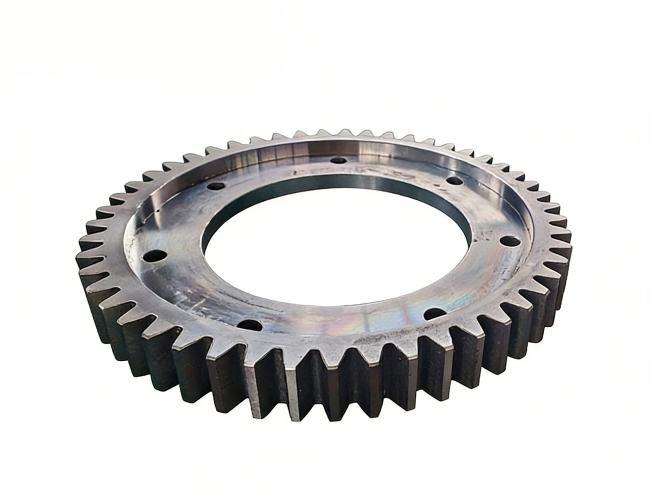
A sudden failure of your girth gear isn’t just a repair job—it’s a critical production emergency. Hours of unplanned downtime translate directly into tens or hundreds of thousands of dollars in lost revenue. The key to avoiding this scenario isn’t just reactive repair; it’s proactive understanding and prevention.
At Luoyang Hengchang Heavy Machinery Co., Ltd., with over 20 years of designing and manufacturing heavy-duty girth gears for the mining and cement industries, we’ve analyzed countless failure cases. This guide distills that experience into a clear breakdown of the five most common girth gear failures, their root causes, and, most importantly, actionable steps you can take to prevent them.
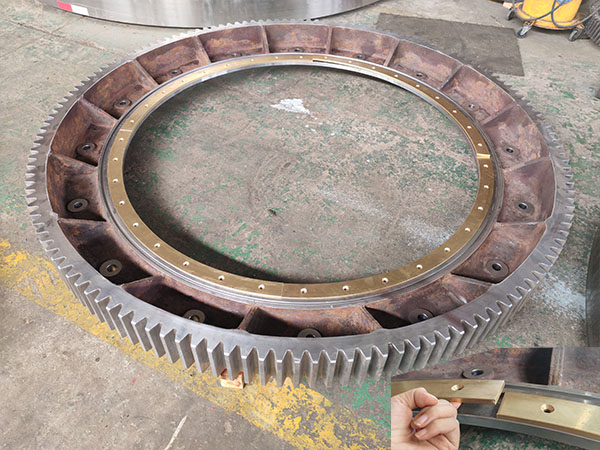
Root Causes:
Inadequate or Contaminated Lubrication: The primary cause. Insufficient oil film leads to metal-to-metal contact.
Abrasive Contamination: Dust, grit, or process material ingress acts as a grinding compound.
Material Fatigue: Repeated high-load cycles cause subsurface cracks that propagate to the surface.
How to Prevent It:
Implement a Strict Lubrication Regime: Use the manufacturer-recommended, high-viscosity EP (Extreme Pressure) gear oil. Establish and follow precise relubrication intervals.
Upgrade Sealing Systems: Inspect and maintain gear guards and lip seals regularly to prevent contaminant ingress.
Conduct Regular Oil Analysis: A scheduled oil analysis program can detect wear metals and contamination before visible damage occurs.
Root Causes:
Overloading & Shock Loads: Exceeding design torque or experiencing severe material jams in the mill.
Improper Heat Treatment: Incorrect hardening can create a brittle microstructure prone to cracking.
Manufacturing Defects: Subsurface casting porosity or inclusions that act as stress concentrators.
Insufficient Root Fillet Radius: Poor design or machining leaves a sharp corner where stress concentrates.
How to Prevent It:
Operate Within Design Limits: Train operators to avoid practices that cause shock loading.
Invest in Quality Manufacturing: Source gears from suppliers who employ rigorous Ultrasonic Testing (UT) and Magnetic Particle Inspection (MPI) to detect internal and surface flaws before installation.
Regular NDT Inspections: Schedule periodic in-situ inspections using dye penetrant or magnetic particle testing during maintenance shutdowns to catch cracks early.
Root Causes:
Foundation Settlement: Over time, the mill or kiln foundation can shift unevenly.
Incorrect Initial Installation: Poor alignment during the last gear replacement or mill overhaul.
Worn or Damaged Bearings: Support bearing failure allows the pinion shaft to drift.
Thermal Expansion: Inadequate accounting for thermal growth in the system design.
How to Prevent It:
Precision Laser Alignment: Dump the straight-edge and feeler gauge. Use modern laser alignment systems for both initial installation and annual verification. Tolerances should be within 0.05 mm per meter of face width.
Implement a Bearing Monitoring Program: Use vibration analysis and temperature sensors to predict bearing failures before they affect alignment.
Root Causes:
Insufficient Preload/Torque: Bolts were not tightened to the correct specification during installation.
Vibration: High operational vibrations can work bolts loose over time.
Lack of Locking Mechanisms: Reliance on standard nuts without proper lock
Luoyang Hengchang Heavy Machinery Co., Ltd. is an entity manufacturer of slewing bearings and customized non-standard machining parts. Our company integrates professional design, research and development, manufacturing, sales and service. Relying on the strong manufacturing capacity and research and development capacity, we can provide customers with one-to-one customized services and solutions.
If you have any inqury or questions for our products, please feel to contact us.
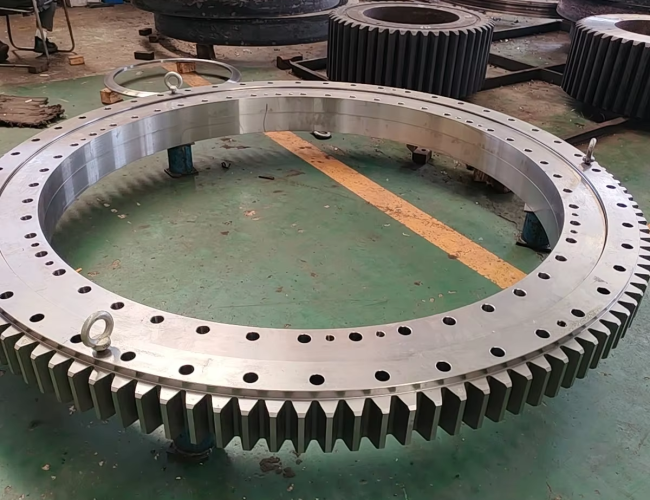
Stacker reclaimer is a large-scale bulk material conveying equipment widely used in ports, electric power, coal, metallurgy and other industries.
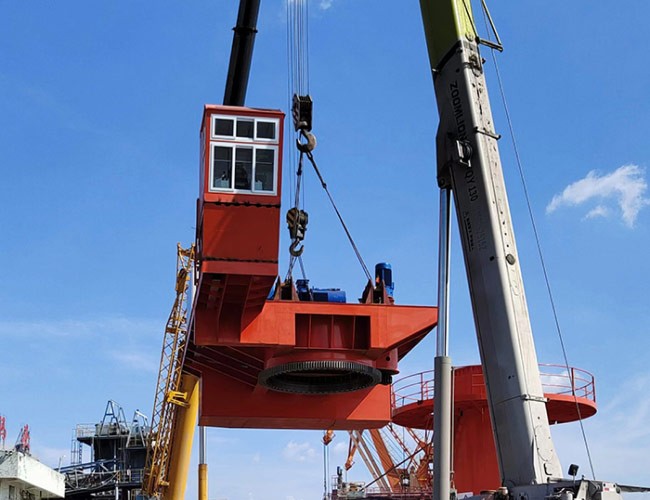
After a tense and orderly 40-day production cycle, our company successfully delivered this product to the user’s site;
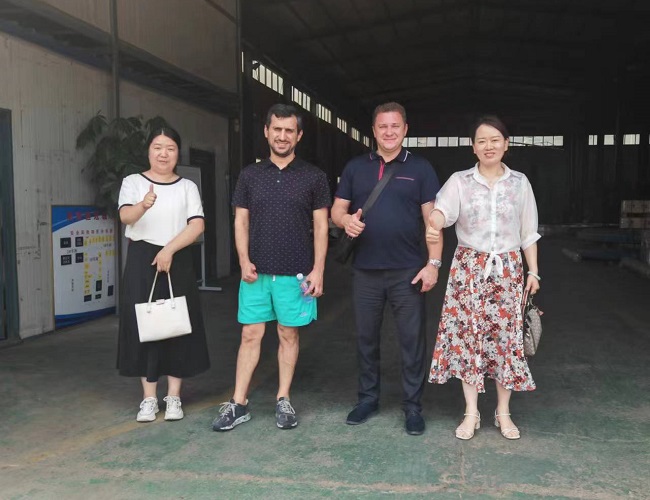
This crane slewing bearing needs to be certified by a third-party Russian ship inspection agency according to the requirements of the shipowner.

Submit Request
PDF Request
Simply fill out the form below and the catalog will be available for download!